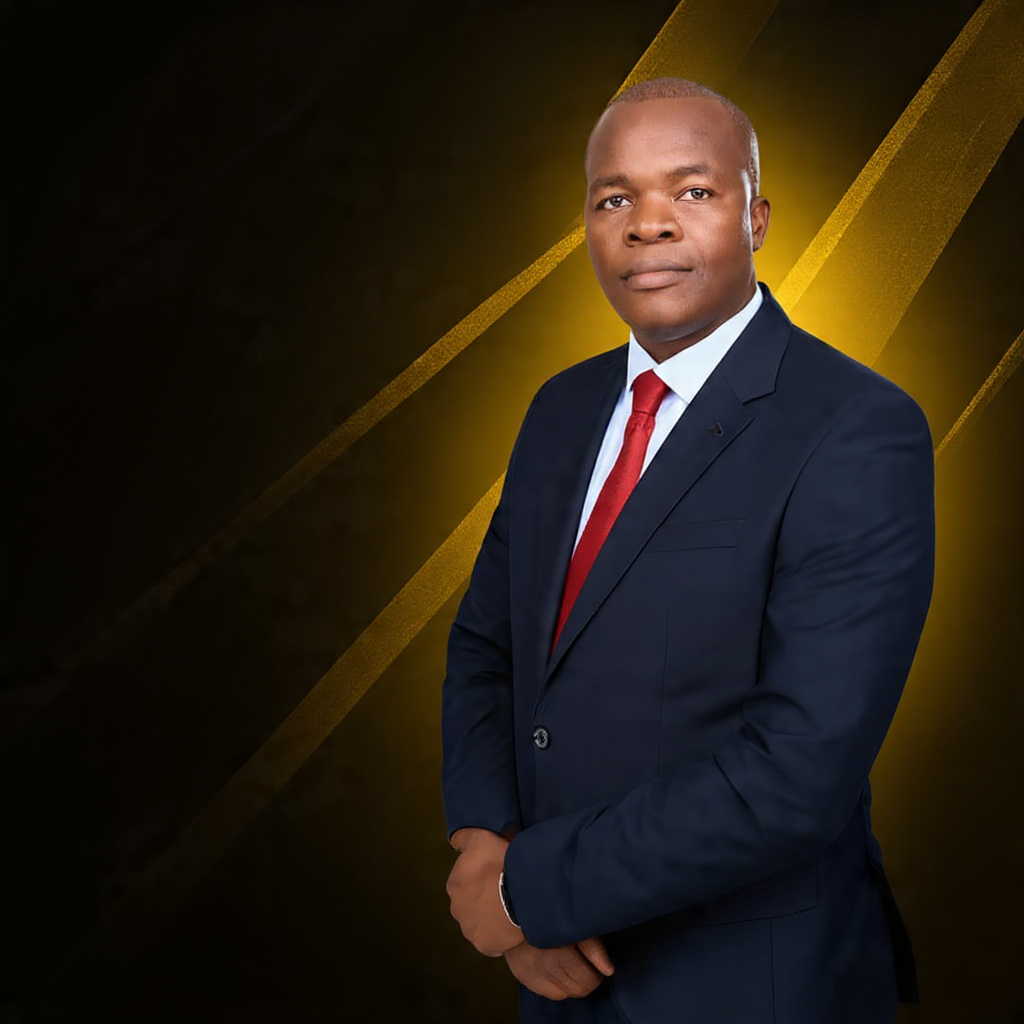
By Tapiwanashe Dumba
Dr. Mbuyiseni Ndlozi often argues that “the African market is still untapped.” This statement suggests that Africa possesses some of the world’s most underdeveloped and least saturated markets, offering significant opportunities for entrepreneurship, investment, and economic expansion compared to many other continents.
Ndlozi’s observation is reflected in the experiences of many African immigrants who arrive in South Africa and identify business opportunities despite the country’s sluggish economic growth and persistent structural challenges. Many migrants have demonstrated remarkable entrepreneurial ability by establishing small enterprises and creating livelihoods in sectors that are often overlooked.
A press release issued by Altron FinTech on 11 June 2026 highlighted the severity of South Africa’s labour market crisis. According to the report, the number of employed South Africans barely exceeds the number of unemployed citizens. The data indicates that approximately 12.1 million South Africans are formally employed, while around 12 million remain unemployed, underscoring the country’s deep unemployment challenge.
Although South Africa’s economy has experienced prolonged periods of low growth, it continues to be viewed as a destination of opportunity by migrants from across the African continent. Many immigrants contribute to economic activity through participation in the informal sector and small business development. Some have established cleaning services, detergent manufacturing businesses, transportation and removal companies, and various other enterprises that generate income and employment. Others arrive with technical skills and work as artisans, contributing to sectors where specialised labour is required.
The construction industry is one sector where immigrant labour has become particularly visible. Due to the labour-intensive nature of construction work, some local workers are reluctant to enter the industry. Consequently, construction firms often employ both documented and undocumented migrants to meet labour demands.
However, growing immigration has become a politically sensitive issue. Civil society groups such as Operation Dudula and March and March, led by Jacinta Ngobese-Zuma, have protested against the influx of undocumented immigrants. The movement argues that illegal immigration places pressure on public resources and contributes to poor service delivery. Members of the group have staged demonstrations at schools and hospitals, advocating for the prioritisation of South African citizens in the allocation of public services. Their central message is that South Africans should be placed first in employment opportunities and access to state resources.
The mounting public pressure has compelled the government to address concerns surrounding migration. Speaking during the Presidency Budget Vote in Parliament, President Cyril Ramaphosa emphasized the importance of enforcing migration laws while acknowledging the economic role that properly managed migration can play.
“As we work together to build a safer, more stable and more prosperous society, we need to address the challenge of migration. When it is well managed and regulated, migration can help drive economic growth and create opportunities for South Africans.”
The President also noted that illegal immigration places additional strain on public services and can undermine efforts to create decent employment opportunities.
“We need to deal with illegal migration. We have seen how illegal immigration can put pressure on our public services and undermine our efforts to create decent work.”
Despite these concerns, several economists have criticised the tendency to attribute South Africa’s socio-economic challenges primarily to immigration. They argue that many of the country’s current problems stem from historical inequalities inherited from the apartheid era, as well as persistent structural weaknesses within the economy.
Former Statistician-General Pali Lehohla has argued that poverty in South Africa remains disproportionately concentrated among the black majority, while significant economic assets continue to be controlled by a relatively small segment of the population. According to Lehohla, reducing unemployment requires addressing deeper economic issues, including capital flight and the externalisation of funds, which limit domestic investment and constrain long-term economic development.
Lehohla further contends that removing immigrants from South Africa would not resolve the country’s underlying economic problems. In his view, poverty and unemployment will persist unless fundamental structural issues within the economy are addressed.
Among the key economic reforms frequently proposed by economists are reducing economic extraction, increasing investment in critical infrastructure, strengthening district-level development programmes, establishing a sovereign wealth fund, and promoting mineral beneficiation to ensure that more value is added to South Africa’s natural resources before export. Such measures could stimulate industrialisation, boost productivity, and create sustainable employment opportunities.
As pressure mounts on immigrants to leave South Africa before the proposed deadline of 30 June, uncertainty continues to grow. There are fears that anti-immigrant sentiment could escalate into violence, placing many African migrants at risk. Most of the citizens partaking in the anti-immigrant marches are misinformed as to what the drive is, which creates intensified xenophobic attacks, especially in areas such as Kwa-Zulu Natal. Attacks on SMEs such as Somalian\Pakistani spaza shops and other foreign owned businesses blurs the line and leads to the question, whether the protests are against illegal immigrants only or both documented and undocumented.
Ultimately, Africa’s greatest asset is not its minerals, land, or natural resources, but its people. The vision of Pan-Africanism has always been rooted in the belief that Africans share a common destiny and that the continent’s economic transformation depends on unity, cooperation, and regional integration. As Dr. Mbuyiseni Ndlozi argues, Africa remains home to some of the world’s most untapped markets, presenting enormous opportunities for entrepreneurship, innovation, trade, and inclusive economic growth. Realising this potential requires the free exchange of skills, ideas, and investment across African borders.
At the same time, xenophobia and Afrophobia must be unequivocally condemned. Targeting fellow Africans for South Africa’s socio-economic challenges not only undermines the spirit of Ubuntu but also distracts from the structural economic reforms needed to address poverty, unemployment, and inequality. Ubuntu teaches us that “a person is a person through other people,” while Pan-Africanism reminds us that Africa’s future is a shared one. Violence, discrimination, and hostility towards fellow Africans weaken the very foundations of continental unity and economic development. If Africa is to unlock its vast economic potential, it must reject division and embrace solidarity, ensuring that the dream of a prosperous, integrated, and borderless Africa becomes a reality rather than merely an aspiration on paper.