Category: Politics

  • Watervlei Burial Park  developers shrug off alleged attempts by ‘land barons’ to seize infrastructure zones, October opening goes ahead

    Watervlei Burial Park developers shrug off alleged attempts by ‘land barons’ to seize infrastructure zones, October opening goes ahead


    By Nigel Pfunde

    HARARE — A coordinated syndicate involving housing cooperative leaders (Pungwe-Chimurenga), senior Harare City Council officials and a faction of war veterans is allegedly actively attempting to derail the US$3.8 million Watervlei Burial Park project through alleged intimidation, illegal land occupations and fraudulent manipulation of municipal layout plans.

    An investigation by this publication into the 80-hectare project has unearthed a bitter land conflict centered on the Remainder of Eyrecourt (near Prince Edward Waterworks).

    Leadership of the Pungwe-Chimurenga housing cooperative is allegedly deploying hired youths to intimidate construction workers and erecting illegal structures directly over planned infrastructure zones.

    A wide shot showing one of the structures at the site

    The state-of-the-art memorial park, which has been fully approved by the Harare City Council and the Environmental Management Agency (EMA), faces severe disruption as illegal structures encroach upon crucial access routes.
    ​”Some structures are now being built with the road reserve and directly beneath high-voltage power lines complicating our plans,” said project manager Ismail Nanabawa.

    Project Manager Ismael Nawabawa

    A ​recent site visit by our news team confirmed that while phase-one construction continues, contractors are facing ongoing hostility from the suspected political actors. Pungwe-Chimurenga secretary-general Nyasha Kandenga and chairman Lawrence Tholana have allegedly spearheaded the occupation of land designated for the project’s primary transport links. A service station and an office-like structure are currently being built to block the planned access route connecting the cemetery to Seke Road near Zororo Memorial Park.

    Kandenga distanced himself from the service station cinstruction and fingered a businessman named only as Manongwa as the one behind, he however maintained that hos cooperative was the bonafide owners of the land.

    “That service station is being built by Manongwa and his papers are in order.I have work for the security department at Chitungwiza town council and I used that experience to vet Manongwa and indeed he was approved by the Ministry,” he said.

    He insisted on legitimate ownership claims of Remainder of Eyrecourt , arguing that the land is intended to benefit war veterans and civil servants.

    ​”We have all the relevant documents and clearances from the responsible authorities regarding the land in question, the Remainder of Eyecourt. Our operations are above board and fully compliant with government regulations,” Kandenga said.
    He further castigated the construction of the burial park saying it was a health hazard because of its proximity to Prince Edward Waterworks.

    “The minister erred by approving that burial site construction,Im sure he did not conduct due diligence and I hope he cancels that approval, we all drink that water,everyone in Harare .Ndiyo mvura inomwiwa chero nevakuru venyika,as residents we dont want that project,” he said.

    A quick check at the Deeds registries however tell a different story.

    Legal documents reviewed during this investigation reveal that the land belongs to private citizen Dickson Kachepa, who purchased the 78.8894-hectare property—officially registered as The Remainder of Water Vlei of Eyrecourt—for his family in 1991 under Deed of Transfer 1708/91.

    Kachepa couldn’t be reached for comment.

    One of our multiple sources said the Pungwe Chimurenga leadership has strong connections.

    ​”Kandenga and his cooperative have strong links with some top officials in the town planning department and local government and his purported paper work was fraudulently done,” an anonymous source close to the local government ministry disclosed.
    ​This is not the first time Pungwe-Chimurenga’s leadership has faced scrutiny over illicit land deals. Court records show that Kandenga and Tholana were previously dragged to court after entering into an illicit agreement with a property development firm, Amalish Investments, which sold disputed land to unsuspecting home seekers on behalf of the cooperative.
    ​Amid the land dispute, the developers have vigorously defended the environmental integrity of the US$3.8 million burial park against claims that it threatens Harare’s water table.
    ​”We have undergone years of environmental assessment and government engagement from all relevant departments. We first engaged EMA in 2018 and have maintained our approvals ever since. The latest license renewal was issued in January this year and EMA conducted other comprejensive assessment in March,” Nanabawa said.
    ​”The Ministry of Health, Harare City Council Health Department, representatives from the city’s water sanitation and roads department have visited the site and gave recommendations around erosion control, but there were no objections to the project itself,” Nanabawa added.

    ​To prevent any potential groundwater contamination, the project design implements strict engineering safeguards that exceed standard municipal requirements. Nanabawa noted that the nearest graves will be approximately 450 metres away from water bodies and measures like brick-lined and concrete lined graves will be put in place to minimise possible seepage.
    ​Once the first phase is complete, the cemetery will accommodate roughly 80,000 graves. The disruption also threatens a heavy blow to a national heritage initiative; the developers have entered into a tripartite arrangement with the Memories of Zimbabwe Armed Struggle Trust (MOZAST) and the War Veterans League to reserve 8,000 graves specifically to honor liberation struggle heroes, supporting the state’s ongoing program to exhume and rebury fallen fighters from unmarked graves across the country.

  • Zim bags gold at 2026 CTW Awards for China marketing push

    Zim bags gold at 2026 CTW Awards for China marketing push

    By Nyasha Chuma

    BEIJING — Zimbabwe has received the Gold award in the Internet and Media category at the 2026 Chinese Tourist Welcome (CTW) Awards, in recognition of its destination marketing and tourism engagement with China.

    The award was conferred by the China Outbound Tourism Research Institute (COTRI) during an online ceremony held on July 9.

    According to the Ministry of Tourism and Hospitality Industry, the award followed a year-long campaign that included a Key Opinion Leader (KOL) programme. Influential Chinese content creators visited Zimbabwe and published content on platforms including Douyin, WeChat, and Xiaohongshu showcasing the country’s natural attractions and cultural sites.

    The ministry also cited a Victoria Falls advertorial campaign displayed on China’s national high-speed rail network, which it said reached hundreds of millions of passengers over the past year.

    The ministry reported that Chinese tourist arrivals to Zimbabwe surpassed 50,000 in 2025. It added that arrivals in the first quarter of 2026 reached 10,366, a 24% increase from 8,373 in the same period in 2025.

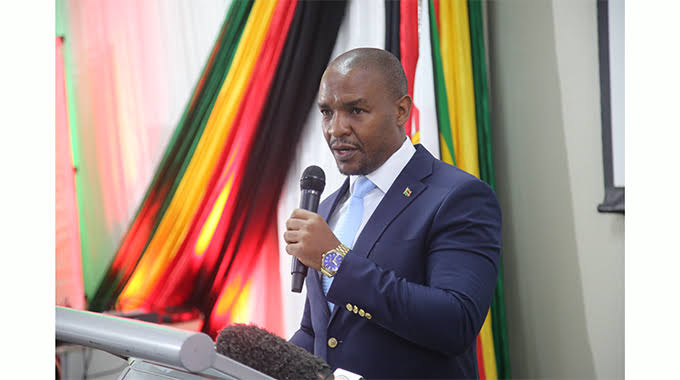
    Tourism Minister Barbra Rwodzi said the award was “a proud moment and a testament to Zimbabwe’s strategic focus on the Chinese market.” She attributed the result to “collaborative efforts with partners and the hospitality of Zimbabweans” and reiterated the government’s “commitment to unlocking the full potential of Sino-Zimbabwe tourism cooperation.”

    COTRI CEO Prof. Dr. Wolfgang Georg Arlt said Chinese traveler expectations have evolved since the pandemic, with many “seeking closer contact with local cultures and nature.”

    Established in 2004, the CTW Awards recognize destinations and service providers in five categories: innovation, service quality, marketing, media/internet, and overall performance. Winners are selected based on industry data, expert assessment, and traveler feedback.

    Officials said the award reflects the marketing approach of the Ministry of Tourism and Hospitality Industry and the Zimbabwe Tourism Authority.


  • Govt announces resumption of Air Zimbabwe direct flights to London

    Govt announces resumption of Air Zimbabwe direct flights to London

    By Nigel Pfunde

    HARARE– Government has announced that Air Zimbabwe will resume direct flights between Harare and London by the end of July 2026, Express Mail Zim can report.

    The announcement was made by the Minister of Transport and Infrastructural Development, Felix Mhona, following a Cabinet briefing on the airline’s turnaround strategy on Tuesday.

    This marks the return of the route after a 14-year hiatus since it was suspended in 2012.

    “The President’s engagement and re-engagement policy continues to open doors and rebuild vital international bridges for our nation,” Mhona said. “The nation is advised that the airline will resume operations by the end of July 2026.”

    The service will be operated with a leased Airbus A330-300 from Plus Ultra of Spain, with capacity for 302 passengers in a 30 business class and 272 economy configuration. Air Zimbabwe will operate three weekly flights on Wednesdays, Fridays and Sundays.

    The revival has been driven by the Mutapa Investment Fund, the state’s sovereign wealth fund and sole shareholder of the airline.

    MIF chief executive Dr John Mangudya said the fund was focused on restoring state enterprises to productivity.
    “That is why the Mutapa Investment Fund was formed to transform these state-owned enterprises so that they can go back to the glory years by ensuring that we sweat their assets and transform the way they are doing business,” Mangudya said.

    The direct route is projected to strengthen connectivity with Zimbabwe’s diaspora in the United Kingdom, boost tourism, and provide a direct export channel for the country’s horticulture sector.

    Government said the development is in line with Vision 2030 objectives of economic growth, investment promotion, and improved ease of doing business.

  • Just In: President signs Constitutional Amendment Act No. 3 into law

    Just In: President signs Constitutional Amendment Act No. 3 into law

    By Nyasha Chuma

    Harare- President Emmerson Mnangagwa has signed the Constitution of Zimbabwe (Amendment) Act (No. 3), 2026 into law, ushering in one of the most far-reaching constitutional reforms since the adoption of the 2013 Constitution.

    The legislation, now Act No. 6 of 2026, was enacted after receiving Presidential assent and has officially become part of Zimbabwe’s Constitution.

    The preamble to the Act states that national development programmes require “stability and continuity of policies and legislative frameworks within a predictable governance environment, thereby enabling such programmes to be implemented to completion.”

    Among its most significant provisions, the Act changes the method of electing the Head of State. The amended Section 92 provides that: “The President must be elected by the members of Parliament in a joint sitting of the Senate and the National Assembly.”

    The legislation also extends the constitutional terms of both the President and Parliament from five years to seven years. The amendment replaces the words “five years” with “seven years” in the relevant constitutional provisions governing the President’s tenure, while Parliament’s duration is similarly changed from a “five-year term” to a “seven-year term.”

    Other key changes include the transfer of voter registration and custody of the voters’ roll to the Registrar-General, the establishment of a Delimitation Commission, restructuring of the judiciary, amendments affecting the Zimbabwe Electoral Commission, abolition of the National Peace and Reconciliation Commission, and changes to local authority representation.

    The signing of the Act concludes the legislative process that saw Parliament pass the Constitutional Amendment Bill (No. 3), making it the Constitution of Zimbabwe (Amendment) Act (No. 3), 2026.


  • “Tourism is soft diplomacy”: Minister Rwodzi announces School of Excellence , compulsory refresher courses for practitioners

    “Tourism is soft diplomacy”: Minister Rwodzi announces School of Excellence , compulsory refresher courses for practitioners

    By Nigel Pfunde

    MAZOWE — Government has laid plans to set up a School of Excellence in Tourism as part of its human capacity building drive and efforts to strengthen service standards by industry practitioners in line with ever-changing global trends, Express Mail Zim can report.

    This strategic initiative is expected to reshape the tourism and hospitality sector of Zimbabwe, alive to the fact that the bedrock of any thriving tourist destination lies not just in its natural attractions, but in the caliber of its human capital.


    In a country blessed with iconic landmarks like Victoria Falls and rich cultural heritage, the establishment of this institution holds critical importance of nurturing a workforce that can deliver world-class service, thereby enhancing the nation’s competitive edge on the global stage.

    The School of Excellence is envisioned as a pivotal engine for national economic development, as tourism remains a key pillar for foreign currency earnings and job creation and its success is intrinsically linked to the proficiency and adaptability of its practitioners.

    Law Number 1: Deputy Minister of Tourism and Hospitality Hon. Tongai Mnangagwa pays undivided attention as his boss  Hon Rwodzi delivers strategy issues to delegates in Mazowe on Monday

    Suffice to say it made a 10 percent contribution to the national Gross Domestic Product according to latest statistics.

    This was revealed by the Minister of Tourism and Hospitality Industry, Barbara Rwodzi in her engagement with delegates at the National Tourism Strategy Stakeholders’ Consultation workshop (2026-2030) held in Mazowe on Monday.

    “We want to catch up with changing trends and improve excellence in all tourism and hospitality sectors. As such we will have a school of excellence in tourism to keep practitioners abreast with changing trends and up the quality of service to push tourism growth,” said Rwodzi.

    Tourism Minister Barbara Rwodzi speaks to journalists outside Baradzanwa Culture Centre Conference Room on Monday


    The emphasis on continuous learning is further amplified through mandatory refresher courses for existing practitioners, a policy that acknowledges the dynamic nature of the industry where guest expectations and technological advancements evolve rapidly.

    These courses are not merely an academic formality but a strategic tool to ensure that the workforce remains relevant, skilled and capable of exceeding the sophisticated demands of modern travelers from digital check-ins to personalized experiential offerings.

    “We will have compulsory refresher courses because trends are changing. We can’t have a student as a manager at a hospitality institution where he or she might fail to cope with pressure, but with human capital development we will have wholesome quality service that lures tourists,”* she said.

    Linking training to foreign policy, Minister Rwodzi said tourism must be used as a tool of “soft diplomacy” to rebrand Zimbabwe globally.

    “Tourism is soft diplomacy. When a tourist comes here and gets excellent service, they go back and tell 10 people. That is how we market Brand Zimbabwe,”* Rwodzi told delegates.

    “We need to sell our story. Zimbabwe is open for business and we must use our culture, our people and our hospitality to win friends for the country.”

    By institutionalizing lifelong learning, the country aims to eradicate service complacency and foster a culture of excellence that can significantly boost tourist arrivals, repeat visits and positive word-of-mouth, ultimately creating a virtuous cycle of industry growth and economic prosperity.

    Beyond the immediate focus on education and training, Minister Rwodzi’s address at the Mazowe workshop painted a comprehensive picture of the government’s holistic vision for the sector, touching on critical areas such as marketing, product diversification and stakeholder collaboration in a “whole of government and society” approach.

    She emphasized the need for a robust and aggressive marketing strategy to reposition Destination Zimbabwe, highlighting that while the country is open for business, the narrative must be compelling and consistent to attract both regional and international markets.

    “We need to aggressively market our destination and ensure that our products are competitive,”Rwodzi said.

    She also zeroed in on the necessity of showcasing the country’s unique selling points, from its pristine wildlife and stunning landscapes to its vibrant culture and warm hospitality.

    Furthermore, she stressed the importance of product diversification to extend the tourist season and spread economic benefits across all provinces, encouraging the development of niche tourism products such as cultural tourism, heritage trails, and MICE (Meetings, Incentives, Conference, and Exhibitions) tourism.

    In that regard, this year’s Sanganayi/Hlanganani World Expo will be held in Masvingo as part of ‘devolution’ in tourism destinations.

    “The world usually only talks about Victoria Falls but Zimbabwe has lots of wonders like the Great Zimbabwe and so on and this year we moved Sanganai/Hlanganani to Masvingo.

    “Its gonna (sic) be a big and unique event where we will host a tertiary institutions sports tournament a week before and the winners will neet the national teams in all sporting disciplines.This is inline with boosting our sports tourism,” she told delegates.

    Rwodzi also reiterated government’s commitment to creating an enabling environment for investment, streamlining regulatory frameworks and fostering public-private partnerships to unlock the full potential of the sector.

    She highlighted that the success of the strategy hinges on a whole-of-government approach, where all ministries and departments work in synergy to address infrastructure deficits, improve ease of doing business and ensure the safety and security of tourists.

    “Tourism is a multi-sectoral industry; we need collaboration from all stakeholders, including local communities, to realize our vision,” she said.

    She called for collective ownership of the strategy to ensure its successful implementation and the realization of a US$5 billion tourism economy by 2030.

    The deliberations at Mazowe thus painted a forward looking roadmap, with the School of Excellence, mandatory refresher courses
    and soft diplomacy serving as the foundational pillars for a transformed, resilient and prosperous tourism industry that can significantly contribute to Zimbabwe’s wide socio-economic development goals under NDS2 as envisaged by President Mnangagwa ‘s vision.

  • ‘Tourism must balance economic growth with environment preservation’ says Deputy Minister Mnangagwa

    ‘Tourism must balance economic growth with environment preservation’ says Deputy Minister Mnangagwa

    By Nigel Pfunde

    MAZOWE – Zimbabwe’s tourism expansion must be anchored in responsible practices that reconcile economic growth with environmental stewardship and cultural safeguarding, Deputy Minister of Tourism and Hospitality Industry Hon Tongai Mnangagwa said Monday.

    He insisted that success depends on a coordinated all‑of‑government, all‑of‑society approach.
    making the opening address of the stakeholder consultations on the National Tourism Sector Strategy (2026–2030) at Baradzanwa Cultural Centre, Mnangagwa stressed that the new blueprint cannot be a narrow sectoral document but must mobilise every state institution, private player and community to pursue tourism that protects the country’s natural and cultural assets while generating prosperity.

    “Promote responsible tourism that balances economic growth with environmental protection and cultural preservation, safeguarding our heritage for future generations,” the Deputy Minister declared, placing that principle at the heart of the strategy.

    He said this balance is only achievable through a unified national effort:

    “A unified vision for tourism development in Zimbabwe ensures that government, private sector and communities are aligned in their efforts, working towards shared national goals.”

    Mnangagwa made it clear that responsible tourism is inseparable from inclusive development. He reiterated that communities must be empowered as active participants not passive onlookers and that job creation, support for small enterprises and grassroots cultural promotion are non‑negotiable pillars of the strategy.

    He also appealed to all including local authorities, development partners and civic groups to contribute their ideas, so that the final strategy is both technically robust and responsive to local realities.

    The Deputy Minister reaffirmed the government’s commitment to fostering an enabling environment, but cautioned that long‑term success hinges on every citizen and institution embracing their role in preserving Zimbabwe’s unique heritage while reaping tourism’s economic dividends.

    “Tourism must deliver inclusive benefits like creating jobs, supporting small businesses and promoting cultural heritage at the grassroots level,” he said.

    “Your contributions today will therefore be instrumental in ensuring that this Strategy is both technically sound and responsive to the needs and opportunities of the sector.”

    The National Tourism Sector Strategy is expected to be finalised later this year, with the responsible tourism and whole‑of‑society principles now firmly embedded as its guiding philosophy.

  • UANC Distances Itself from Gwinyai Muzorewa’s Support for CAB3

    UANC Distances Itself from Gwinyai Muzorewa’s Support for CAB3

    HARARE — The United African National Council (UANC) led by Percy Chigodora has distanced itself from remarks by rival politician Gwinyai Muzorewa supporting Constitutional Amendment Bill No. 3 (CAB3), insisting the proposed constitutional changes should either be subjected to a national referendum or withdrawn.

    In a statement issued on Saturday, UANC Secretary-General and party spokesperson Aliphios Mapuranga said the views expressed by Gwinyai Muzorewa did not represent the party founded by the late Bishop Abel Muzorewa.

    “We consider it necessary to clarify that Gwinyai Muzorewa’s views do not represent the position of the United African National Council founded by the late Bishop Abel Muzorewa, later led by the late Nesbert Mtengezanwa and now under the leadership of President Percy Chigodora,” Mapuranga said.

    The party said it had opposed CAB3 from its inception, arguing that Cabinet lacked the constitutional authority to initiate such far-reaching constitutional amendments without first obtaining the consent of Zimbabweans through a referendum.

    Mapuranga said the party maintained its position even after the conclusion of the 90-day public consultation process, claiming that many stakeholders rejected the proposed constitutional changes.

    “Our position remains that the only democratic way forward is either to subject CAB3 to a referendum or withdraw it altogether,” he said.

    The statement also sought to distinguish Chigodora’s UANC from the faction led by Gwinyai Muzorewa. According to Mapuranga, Muzorewa unsuccessfully challenged the party’s leadership in the High Court in 2018 under Case No. HC 5353/18 but has continued to operate under the UANC name.

    The latest exchange highlights divisions within the UANC over Constitutional Amendment Bill No. 3, which has generated debate among political parties, civil society organisations and other stakeholders.

    While Gwinyai Muzorewa has publicly backed the proposed constitutional amendments, the Chigodora-led UANC says it will continue advocating for a referendum, arguing that Zimbabweans should have the final say on any changes to the Constitution.Efforts to get a comment from Gwinyai Muzorewa were unsuccessful.

  • Barmlo Construction extends humanitarian aid to Zimbabweans in Cape Town amid mass repatriation drive

    Barmlo Construction extends humanitarian aid to Zimbabweans in Cape Town amid mass repatriation drive

    By Sipiwe Nyoni

    CAPE TOWN — In a major humanitarian intervention, Barmlo Construction Company, led by philanthropist Dr BarnabasMarambire, has provided essential food assistance to hundreds of Zimbabwean nationals camped outside the Zimbabwe Consulate in Cape Town while awaiting repatriation.

    The initiative comes as Zimbabwe battles to repatriate thousands of citizens from South Africa amid rising xenophobic tensions and an unofficial deadline issued by anti-immigrant groups for undocumented foreign nationals to leave the country.

    As of June 26, the Zimbabwean government confirmed it had repatriated 3 624 nationals from South Africa. The operation intensified after more than 500 Zimbabweans began gathering outside the Cape Town consulate in District Six seeking government-assisted return.

    Many, including women and children spent nights in the rain and cold before the City of Cape Town, Department of Home Affairs and the Zimbabwean Consulate began relocating them to the Home Affairs Repatriation Site in Epping on June 28.

    The Epping site is now the “sole official site for processing before residents are transported to Beitbridge”.

    Deputy Director of Home Affairs, Almien van der Berg said over 2 500 Zimbabweans had been processed at Epping in two days.

    Despite this, about 1000 Zimbabweans remained at the Epping centre as of late June, awaiting documentation and buses.

    Information Minister Zhemu Soda said President Emmerson Mnangagwa had “directed resources towards ensuring the safe and dignified return of every Zimbabwean who wishes to come back home”. Delays have been attributed to mandatory profiling by South African authorities to check for criminal records.

    To ease reintegration, Treasury has extended a duty-free rebate to returnees, covering one motor vehicle and household goods purchased before December 31 2022.

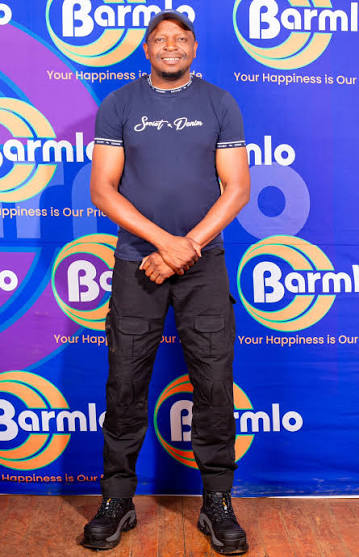
    Against this backdrop, Dr Marambire’s Barmlow Construction delivered food parcels to those camped at the consulate. Marambire, founder and CEO of Barmlo Group of Companies, is known for philanthropy rooted in his own past as a herdboy who lost his parents at 13. His firm, with interests in construction and brick moulding across Botswana, Namibia, Zambia and Rwanda, has previously paid school fees for underprivileged children.

    “I feel honoured to get such recognition for the work that I am doing in helping others,” Marambire has said of his philanthropic work.

    Barmlow was not alone in responding to the crisis as the Tagwirei family donated US$1 million through Bridging the Gap Foundation while Special Advisor to the President Dr Paul Tungwarara provided 50 buses through Zanu PF Manicaland Province.

  • US$3.8 Million Watervlei Burial Park Development gains momentum

    US$3.8 Million Watervlei Burial Park Development gains momentum

    By Nigel Pfunde

    Harare — THE ambitious Watervlei Burial Park project along Seke Road has reached a significant milestone, with developers injecting US$3.8 million into the first phase of an initiative designed to provide a dignified final resting place for liberation war heroes.

    The development sits on 80 hectares and iscearmarked to accommodate approximately 8 000 liberation war heroes whose remains are currently in unmarked graves in neighbouring countries.

    Beyond its commemorative significance, the project is set to provide critical burial capacity for the capital as existing facilities, including the Provincial Heroes Acre at Warren Hills, face mounting pressure. The development is also expected to create over 200 jobs for local residents.

    Project manager Ismail Nanabawa, speaking at a press briefing on Thursday, confirmed that construction commenced in late 2024 and the site is on track to become operational by the final quarter of this year.

    “In terms of total investment for the whole Watervlei Burial Park, we’re looking at investing US$3.8 million for the first phase of the project,” said Nanabawa. “This includes everything, bearing in mind we are putting a massive fence around the entire site. We have a major plant as part of rehabilitating the ground to plant close to 1000 trees.”

    Nanabawa said that significant financial and logistical resources were required to rehabilitate the site, which had suffered extensive environmental damage due to illegal dumping and sand poaching.

    “What has taken us, I can’t put it in words exactly how much time and effort has gone into rehabilitating the sites. When I say illegal dumping, people often think it’s just a smoker, but some of these are higher than this gazebo. So that’s a significant cost for us,” he explained.

    Extensive earthworks were necessary over the past two years to fill pits, introduce quality soil, and ensure proper compaction.

    “The main portion of the works or the highest cost will be the roads. We have an irrigation system we have to build. We have the herse ways we have to build,” Nanabawa added.

    “We also have the traffic circle, or depending on the Ministry of Transport’s final approval, whether we are building access lanes or traffic lights, we have a significant development to do on the intersection as well.”
    The project has secured the endorsement of the Zimbabwe National Liberation War Veterans Association (ZNLWVA) and the Memories of Zimbabwe Armed Struggle Trust (MOZAST).
    In recognition of the sacrifices made for the country’s Independence, developers have donated 8,000 burial plots to MOZAST specifically for the repatriation of veterans.
    The initiative aligns with wider national efforts to address the status of those lost during the struggle.

    “An estimated 30,000 Zimbabwean war veterans are buried outside of the country in unmarked graves and even mass graves, some 45 years after the country’s liberation struggle,” Nanabawa said.

    Meanwhile, the recently tabled Reburial and Memorialisation Bill, once passed, will enable the Government to formally collaborate with the War Veterans, churches, traditional leaders and families in a structured and well-resourced reburial programme.

    Nanabawa further said o preserve history, the development will feature a War Veterans Archway at the entrance of the dedicated section and a Museum within the Remembrance Village to be curated by MOZAST.

    This US$3.8 million investment marks a pivotal step in the national mandate to honour the country’s liberation icons, ensuring that those who fought for Zimbabwe’s sovereignty receive the formal recognition and dignified burial they have long been denied.

  • US$3.8 million Watervlei Burial Park development gains momentum

    By Nigel Pfunde

    Harare — THE ambitious Watervlei Burial Park project along Seke Road has reached a significant milestone, with developers injecting US$3.8 million into the first phase of an initiative designed to provide a dignified final resting place for liberation war heroes.

    The development sits on 80 hectares and is earmarked to accommodate approximately 8 000 liberation war heroes whose remains are currently in unmarked graves in neighbouring countries.

    Beyond its commemorative significance, the project is set to provide critical burial capacity for the capital as existing facilities, including the Provincial Heroes Acre at Warren Hills, face mounting pressure. The development is also expected to create over 200 jobs for local residents.

    Project manager Ismail Nanabawa, speaking at a press briefing on Thursday, confirmed that construction commenced in late 2024 and the site is on track to become operational by the final quarter of this year.

    “In terms of total investment for the whole Watervlei Burial Park, we’re looking at investing US$3.8 million for the first phase of the project,” said Nanabawa. “This includes everything, bearing in mind we are putting a massive fence around the entire site. We have a major plant as part of rehabilitating the ground to plant close to 1000 trees.”

    Nanabawa said that significant financial and logistical resources were required to rehabilitate the site, which had suffered extensive environmental damage due to illegal dumping and sand poaching.

    “What has taken us, I can’t put it in words exactly how much time and effort has gone into rehabilitating the sites. When I say illegal dumping, people often think it’s just a smoker, but some of these are higher than this gazebo. So that’s a significant cost for us,” he explained.

    Extensive earthworks were necessary over the past two years to fill pits, introduce quality soil, and ensure proper compaction.

    “The main portion of the works or the highest cost will be the roads. We have an irrigation system we have to build. We have the herse ways we have to build,” Nanabawa added.

    “We also have the traffic circle, or depending on the Ministry of Transport’s final approval, whether we are building access lanes or traffic lights, we have a significant development to do on the intersection as well.”
    The project has secured the endorsement of the Zimbabwe National Liberation War Veterans Association (ZNLWVA) and the Memories of Zimbabwe Armed Struggle Trust (MOZAST).
    In recognition of the sacrifices made for the country’s Independence, developers have donated 8,000 burial plots to MOZAST specifically for the repatriation of veterans.
    The initiative aligns with wider national efforts to address the status of those lost during the struggle.

    “An estimated 30,000 Zimbabwean war veterans are buried outside of the country in unmarked graves and even mass graves, some 45 years after the country’s liberation struggle,” Nanabawa said.

    Meanwhile, the recently tabled Reburial and Memorialisation Bill, once passed, will enable the Government to formally collaborate with the War Veterans, churches, traditional leaders and families in a structured and well-resourced reburial programme.

    Nanabawa further said o preserve history, the development will feature a War Veterans Archway at the entrance of the dedicated section and a Museum within the Remembrance Village to be curated by MOZAST.

    This US$3.8 million investment marks a pivotal step in the national mandate to honour the country’s liberation icons, ensuring that those who fought for Zimbabwe’s sovereignty receive the formal recognition and dignified burial they have long been denied.